
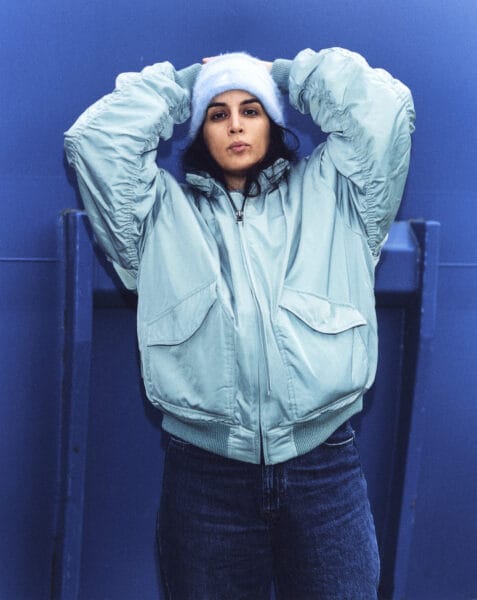
The Sonic Architecture of Ebow: Biography, Age, and the Garip Werkstätten Movement
In the landscape of contemporary European hip-hop, few forces have shaken the foundations of the genre quite like Ebow (Ebru Düzgün) and her independent powerhouse label imprint, Garip Werkstätten. Navigating the complex intersections of post-migrant identity, political resistance, and raw musicality, Ebow has established herself not just as a prominent rapper, but as a cultural architect.
For listeners and industry insiders tracking the evolution of progressive hip-hop, understanding the biography of Ebow and the rise of Garip Werkstätten offers a profound masterclass in creative sovereignty. From her early days staging guerrilla performances in public spaces to establishing a self-sustaining vinyl ecosystem, this is the definitive profile of an artist defying traditional industry logic.
Who is Ebow? Early Life and Foundations
Born on February 8, 1990, in Munich, Germany, Ebru Düzgün grew up immersed in a multi-layered tapestry of cultural and social influences. Of Kurdish-Alevi descent, her formative years were shaped by the nuanced realities of post-migrant life in Western Europe. Growing up as a queer woman within a minority diaspora, she frequently found herself balancing the heavy expectations of traditional heritage against the backdrop of a changing European urban landscape.
Instead of keeping these dualities quiet, Düzgün turned to hip-hop as both a sanctuary and an instrument for social critique. Heavily inspired by 1990s American R&B, conscious rap storytelling, and traditional Turkish melodic structures, she began writing lyrics that seamlessly blended sharp systemic commentary with infectious, modern hooks.
The Guerrilla Performance Era
Before headlining major independent festivals, Ebow earned her reputation through uncompromising, localized live sets. Long before booking agents or formal management structures were in place, she disrupted daily life by staging impromptu pop-up performances across Munich:
Public Laundromats: Setting up portable sound systems between rows of spinning washing machines.
Supermarkets: Turning commercial aisles into temporary stages to drop bars about consumer culture and working-class struggles.
City Trams: Delivering raw acapella verses directly to commuting passengers on municipal transit lines.
These early public interventions permanently established her artistic ethos: music was never meant to be a passive commodity reserved for corporate venues, but an immediate, confrontational medium meant to meet communities exactly where they lived.
The Birth of Garip Werkstätten: Reclaiming Artistic Ownership
Within the corporate music infrastructure, artists carrying intersectional profiles are frequently pressured by major labels to sanitize their messages, smooth out their political edges, or fit into easily marketable boxes. To maintain absolute creative sovereignty and retain full control of her master recordings, Ebow operates through Garip Werkstätten—the independent record label, creative studio, and distribution engine behind her most revolutionary work.
The term “Garip” holds profound weight, translating from Turkish to signify something strange, displaced, unanchored, or outsider—a deliberate nod to the post-migrant psychological state of existing between multiple cultures. Combined with “Werkstätten” (the German word for workshops), the label represents a literal construction site for raw, uncompromising outsider art.
Through Garip Werkstätten, Ebow successfully bypassed traditional industry gatekeepers. The label handles everything from bespoke vinyl pressings to independent digital distribution networks. What began as a boutique imprint has expanded into a critical beacon for alternative European rap, proving that deeply political and queer-positive art can achieve commercial sustainability without institutional compromise.
Discography Highlights & Career Milestones
Ebow’s expansive discography tracks a steady evolution from classic boom-bap political commentary to highly polished alternative R&B and heavy trap production.
From Ebow (2013) to Canê (2022)
Her self-titled debut album in 2013 announced her arrival on the German rap scene, followed by the critically acclaimed Komplexität (2017), which directly confronted structural racism and societal hypocrisy. In 2019, she released K4L (Kanak 4 Life), a landmark album that subverted historic street slurs to celebrate migrant community bonds, family resilience, and queer love.
By 2022, she dropped Canê, a deeply personal record named after the Kurdish word for “soul” or “darling.” The project explored her complex, ambivalent relationship with geographic belonging, yielding regional anthems like “Dersim62” and “Giesing81.”
The FC Chaya and ARBAYT Breakthroughs
The release of FC Chaya via Garip Werkstätten marked an undeniable creative peak, cementing her status within alternative European music circles.
The record is an unapologetic celebration of feminine energy and queer romance, blending glossy trap percussion, slow-burn neo-soul keys, and highly vulnerable storytelling. Standout cuts included “Lesbisch,” a track written explicitly to reclaim and destigmatize the word within the historically hyper-masculine German rap landscape, and “Ebru’s Story,” a powerful three-part narrative detailing her personal journey toward self-acceptance and coming out to her family.
The creative momentum has shown no signs of slowing down. Garip Werkstätten expanded the record’s footprint with the limited FC Chaya (Glitzer Edition) on premium colored vinyl to meet high demand from physical collectors. This was followed by the hard-hitting single “ARBAYT”, proving her lyrical perspective remains incredibly sharp, urgent, and focused on systemic labor critiques.
Artist Profile: Stats & Essential Facts
| Metric / Attribute | Profile Details |
| Legal Name | Ebru Düzgün |
| Stage Name | Ebow |
| Date of Birth | February 8, 1990 |
| Age | 36 years old |
| Place of Birth | Munich, Germany |
| Current Base | Berlin, Germany |
| Primary Label Imprint | Garip Werkstätten |
| Musical Genres | Hip-Hop, Alternative R&B, Conscious Rap, Trap |
| Core Themes | Anti-racism, Queer empowerment, Post-migrant identity, Labor politics |
| Side Projects | Gaddafi Gals |
Cultural Impact: Redefining Post-Migrant Hip-Hop
Ebow’s legacy extends far beyond streaming metrics and independent vinyl sales. Alongside contemporary trailblazers, she stands at the absolute vanguard of the “post-migrant” artistic movement—a generation of creators who are actively rewriting what it means to carry a hyphenated European identity.
Dismantling Mainstream Stereotypes
Global hip-hop culture has historically grappled with undercurrents of misogyny and rigid gender roles. Ebow systematically dismantles these expectations from the inside out. She delivers technical, street-ready flows that command absolute respect from traditional hip-hop purists, while simultaneously rapping openly and sensually about lesbian relationships, sisterhood, and mutual community care.
Structuring Safer Spaces
True to her workshop philosophy, Ebow continuously translates her musical messages into tangible, real-world community action. Through her creative networks, she has been instrumental in organizing independent club nights and cultural festivals across Berlin and Vienna. These events are designed specifically to establish safer, celebratory spaces for Black, Indigenous, and People of Color (BPoC) within the LGBTQ+ community, ensuring that the marginalized voices celebrated in her music find a physical sanctuary in the real world.
Key Takeaways from the Garip Werkstätten Catalog
Radical Independence: By managing her masters and distribution via Garip Werkstätten, Ebow remains completely immune to corporate trends or label interference.
Linguistic Reclamation: Her lyrical style frequently uses Turkish, German, and English phrasing to mirror the authentic spoken reality of diaspora youth.
Genre Fluidity: The music intentionally bridges the gap between old-school conscious rap heads and modern alternative R&B listeners.
By maintaining Garip Werkstätten as a self-sustaining creative ecosystem, Ebow has successfully future-proofed her artistic career. She stands as a potent, enduring reminder that the most compelling art often grows from the margins—and that when mainstream institutions refuse to build a seat for you at the table, you simply build your own workshop.
Watch Ebow’s “ARBAYT” Music Video on YouTube
This official music video for “ARBAYT,” released under her independent label Garip Werkstätten, provides a visually striking accompaniment to her sharp socio-political commentary on labor, capital, and creative independence.